In today’s digital age, where email inboxes are overflowing and online ads often go unnoticed, healthcare direct mail marketing stands out as an effective way to reach patients and healthcare professionals. While digital marketing is essential, direct mail offers a tangible and personalized approach that can enhance patient engagement and strengthen relationships. However, when handling sensitive healthcare information, it is crucial to comply with HIPAA direct mail guidelines to ensure privacy and security.
This blog explores the benefits of , the importance of HIPAA direct mail compliance, and how to create successful direct mail campaigns for healthcare organizations.
Why Healthcare Direct Mail Marketing Works
Unlike emails, which often get lost in crowded inboxes, direct mail has a higher open rate and leaves a lasting impression. According to the Data & Marketing Association, direct mail has an open rate of approximately 90%, compared to email’s average open rate of 20-30%. Here are some reasons why healthcare direct mail marketing is effective:
1. Personalization and Targeting
Healthcare providers can tailor direct mail campaigns to specific demographics, conditions, or treatments. Personalized messages resonate better with recipients, increasing engagement and response rates.
2. Higher Engagement and Retention
People tend to trust and remember physical mail more than digital messages. A well-designed mail piece with compelling content can effectively communicate important healthcare information.
3. Trust and Credibility
Printed materials give a sense of legitimacy and credibility, which is particularly important in healthcare. Patients are more likely to trust information received through direct mail than online ads.
4. Less Competition
Since many businesses have shifted to digital marketing, the competition for attention in physical mailboxes has decreased. This means your healthcare direct mail piece has a higher chance of being noticed and read.
Ensuring HIPAA Compliance in Direct Mail
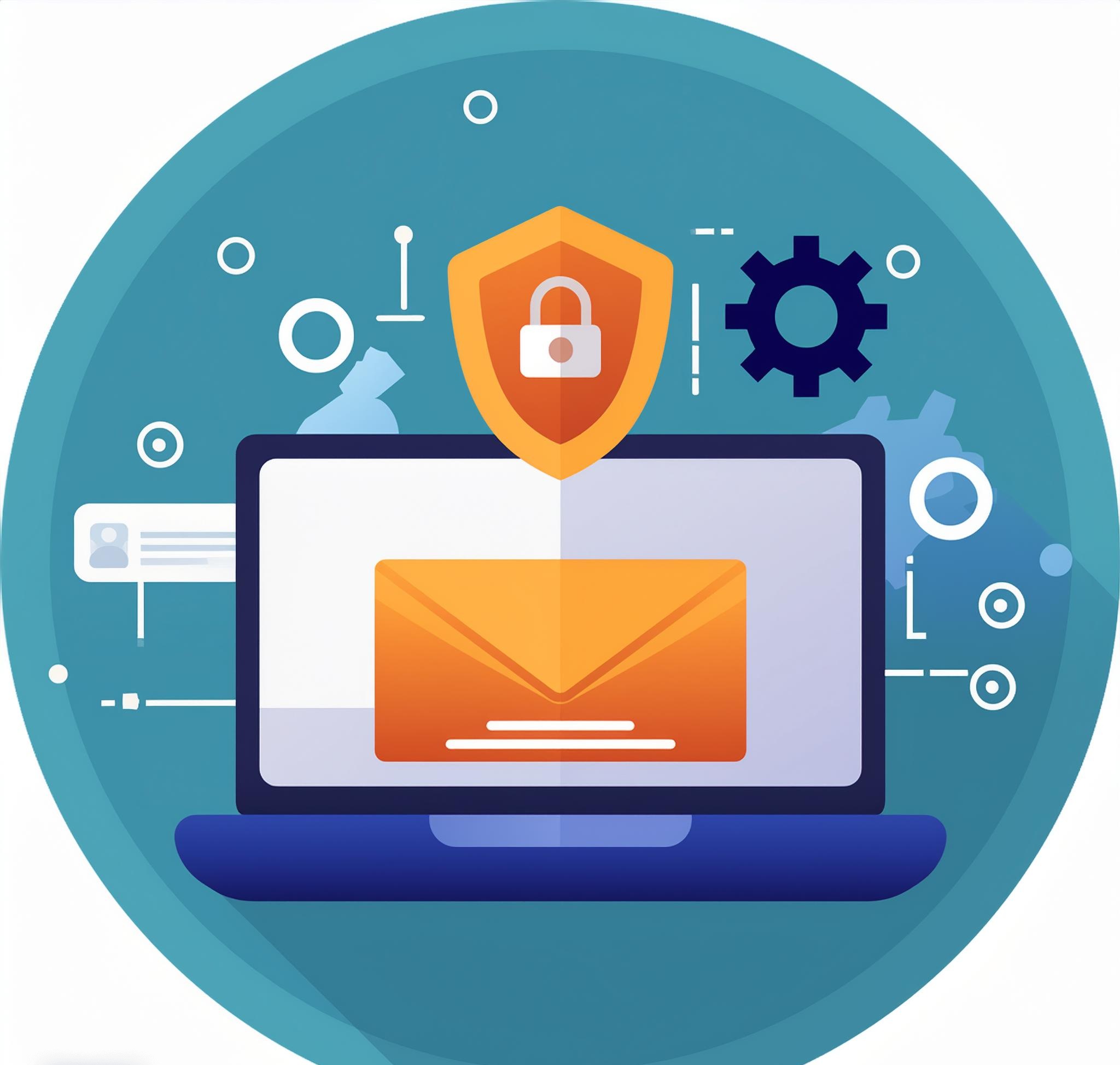
While healthcare direct mail marketing is a powerful tool, it comes with strict regulations under the Health Insurance Portability and Accountability Act (HIPAA). Healthcare organizations must ensure that their mail campaigns comply with requirements to protect patient data.
Key HIPAA Considerations for Direct Mail
- Protecting Patient Information: Any direct mail piece containing Protected Health Information (PHI) must follow HIPAA regulations. PHI includes names, addresses, treatment details, and medical conditions.
- Secure Mailing Practices: Avoid including sensitive medical information on postcards or open mailers. Instead, use sealed envelopes for confidentiality.
- Business Associate Agreements (BAAs): If working with a third-party mail service, ensure they sign a BAA, confirming their commitment to HIPAA compliance.
- Limited Information Disclosure: Only include necessary information in the mail piece to reduce the risk of unintentional disclosure.
Strategies for a Successful Healthcare Direct Mail Campaign
To maximize the effectiveness of your healthcare direct mail marketing efforts, follow these best practices:
1. Define Your Goals
Identify the purpose of your campaign. Are you promoting a new healthcare service, reminding patients about check-ups, or educating them on health topics? Having clear goals helps in crafting a focused message.
2. Segment Your Audience
Different patients have different needs. Segmenting your audience based on age, medical history, location, or insurance type allows for more personalized communication.
3. Use Eye-Catching Design and Messaging
A well-designed mailer with a clear call-to-action (CTA) encourages engagement. Use bold headlines, easy-to-read fonts, and compelling visuals to grab attention.
4. Ensure HIPAA Compliance
Always review your mail content to ensure it follows HIPAA direct mail regulations. Avoid including personal health details that could compromise patient privacy.
5. Offer Value to the Recipient
Provide useful information, such as health tips, appointment reminders, or exclusive offers, to encourage patients to engage with your mailer.
6. Include a Clear Call-to-Action
Tell recipients what you want them to do next—schedule an appointment, call a healthcare provider, or visit your website.
7. Track and Measure Results
Use unique tracking codes, phone numbers, or QR codes to measure the effectiveness of your healthcare direct mail marketing campaign. Analyzing response rates helps in optimizing future campaigns.
Types of Healthcare Direct Mail Campaigns
There are various ways healthcare organizations can leverage healthcare direct mail marketing to engage with patients and professionals. Some common types include:
1. Appointment Reminders
Sending physical reminders for check-ups, vaccinations, or screenings can improve patient adherence to scheduled visits.
2. Health Education Mailers
Providing information on preventive care, disease management, or wellness tips positions your healthcare organization as a trusted resource.
3. New Service Announcements
Introducing new healthcare services or facilities through direct mail can increase awareness and patient inquiries.
4. Patient Surveys and Feedback Requests
Mailing surveys to collect patient feedback helps improve service quality and patient satisfaction.
5. Community Outreach Programs
Promoting health fairs, free screenings, or wellness events can encourage community participation and engagement.
Final Thoughts
Healthcare direct mail marketing remains a powerful and effective way to engage patients, promote healthcare services, and build trust. By following HIPAA direct mail compliance guidelines, healthcare organizations can ensure patient privacy while maximizing the benefits of direct mail campaigns.
If implemented strategically, direct mail can significantly enhance your marketing efforts, helping you connect with patients in a meaningful and secure way. By combining personalization, engaging design, and compliance, you can create successful healthcare direct mail campaigns that drive results.